Your current conditioner is probably lying to you. It’s a harsh truth that most beauty brands hide behind colorful packaging and floral scents. While you think you’re hydrating your strands, you might actually be coating them in animal fats or crushed insect shells. Many people assume that vegan hair conditioner is just a niche trend for activists. It’s not. It’s a superior way to achieve healthy hair without the chemical baggage of traditional products. Switching to vegan hair care products means choosing fermented botanicals and plant proteins over slaughterhouse byproducts. It’s about ethics. But it’s also about performance. Plant-based formulas often provide long-term results that synthetic alternatives simply can’t match. You deserve a routine that nourishes the scalp and improves elasticity naturally. Let’s look at what’s actually inside your bottles.
What Is Vegan Hair Conditioner?
Vegan hair conditioner is a hydration product made without animal-derived ingredients or byproducts. It’s a clean alternative to traditional formulas that use tallow, silk, or milk. And it never involves animal testing during development. This ensures the clean beauty standard remains high. It’s better for you.
These products rely on plant-based hair moisturizer technology to smooth the hair cuticle. Instead of using animal proteins, they feature amino acids from soy, wheat, or quinoa. And they often include organic oils to add shine. You get results. Real results matter most.
Why Is Vegan Hair Conditioner Important?
It protects the planet. Traditional beauty manufacturing often supports industrial farming and exploitative practices. By choosing a vegan hair care routine, you reduce your environmental footprint significantly. But it’s also about your own health. Plants are safer. Many non-animal derived hair ingredients are less likely to cause irritation or buildup. It’s a win.
And these formulas avoid the heavy waxes found in cheap, mass-market bottles. You won’t find beeswax or lanolin here. This keeps your hair light. It stays fresh. You’ll love the bounce.
How Does Vegan Hair Conditioner Work?
It mimics nature. Scientists use fermented botanicals to create small molecules that penetrate the hair shaft easily. This delivery system ensures deeply conditions effects without using harsh chemicals. It works fast. But it’s gentle. Your hair absorbs the nutrients instead of just wearing them.
And it focuses on nourishes the scalp to promote growth. By using essential oils and plant sterols, these conditioners balance your natural oils. They don’t strip them. They don’t clog them. This creates a healthy environment. It’s effective hair care.
What Are The Benefits Of Vegan Hair Conditioner?
Results are lasting. Unlike silicones that mask damage, plant oils actually improves elasticity and strength over time. This means fewer split ends and less breakage during brushing. You notice the difference. Your hair is stronger. It looks much healthier.
Also, these products are usually sulfate-free and silicone-free by design. This prevents the dullness caused by synthetic buildup. Your vegan biotin conditioner will add volume. It adds shine. It provides long-term results you can see. Every wash counts.
How do you identify a vegan conditioner?
Reading a label shouldn’t require a chemistry degree. But in the world of clean beauty, terms are often used loosely to confuse shoppers. You might see a bottle claiming to be natural while it still contains milk proteins or honey. A true vegan hair conditioner contains absolutely no animal-derived ingredients. This includes obvious things like collagen and less obvious ones like certain fatty acids. You also need to verify that the product is cruelty-free. This means no animal testing occurred at any stage of production. Many brands use clinically tested methods on human volunteers instead. This is safer. It’s also more ethical. You should always check for third-party certifications to be sure. These organizations do the dirty work of auditing supply chains so you don’t have to. It’s the only way to be 100% certain of what you’re buying.
Look for reputable cruelty-free hair conditioner logos
Logos are your best friend. They provide instant visual confirmation of a brand’s ethics. The Leaping Bunny is the gold standard for cruelty-free hair conditioner because they conduct rigorous on-site audits. PETA’s Beauty Without Bunnies logo is also widely recognized and trusted. Some brands carry the Vegan Society trademark, which specifically guarantees no animal ingredients are present. These symbols aren’t just for show. They represent a legal commitment to ethical manufacturing. If a bottle lacks these, you’re essentially taking the company’s word for it. Don’t do that. Always look for the bunny. It’s the quickest way to how to tell if conditioner is vegan and cruelty free without spending an hour in the aisle. Your hair and your conscience will thank you.
Which hidden animal ingredients in hair conditioner should you avoid?
The ingredient list is often a minefield. Many hidden animal ingredients in hair conditioner hide behind scientific names that sound perfectly innocent. Stearic acid is a common one. It’s often derived from the stomachs of pigs or cows. Then there’s silk protein, which comes from boiling silkworms alive in their cocoons. Lanolin is another frequent offender. It’s a waxy grease squeezed from sheep’s wool. These ingredients are used because they’re cheap, not because they’re the best for healthy hair. You should look for non-animal derived hair ingredients like plant oils and vegetable glycerine. These vegan hair care alternatives provide the same slip and shine without the icky origins. They’re often lighter on the hair too. Nobody wants cow fat in their curls. Stick to plants.
Common vegan conditioner ingredients to avoid
Some ingredients are so common we forget they aren’t vegan. Beeswax is a prime example. It’s often used for texture but it’s an animal byproduct that many vegans avoid. Honey is another one. While it’s a humectant, plant-based sugars can do the same job better. Keratin is perhaps the biggest red flag. Most keratin in hair products comes from the ground-up hooves, horns, and feathers of farmed animals. If you want strength, look for vegan biotin conditioner or pea proteins instead. These vegan haircare products rebuild the hair structure using plant-based hair moisturizer technology. They’re effective. They’re clean. They’re better for the planet and your scalp.
What are the benefits of a plant-based hair moisturizer?
Plants are nutrient powerhouses. When you use a plant-based hair moisturizer, you’re feeding your hair vitamins and antioxidants. These compounds protect your hair from environmental damage like pollution and UV rays. Essential fatty acids from seeds and nuts deeply conditions the hair shaft from the inside out. This isn’t just a surface-level fix. It’s true nourishment. Many vegan hair care products also use fermented botanicals to increase nutrient absorption. This process breaks down large molecules so they can actually penetrate the hair. The result is hair that feels soft without added weight. It’s bouncy. It’s shiny. It’s exactly what your hair has been craving. Plus, these ingredients are usually fragrance-free or scented with essential oils. This is great for sensitive skin. You’ll notice the difference in your scalp health almost immediately.
How do you find the best vegan conditioner for dry hair?
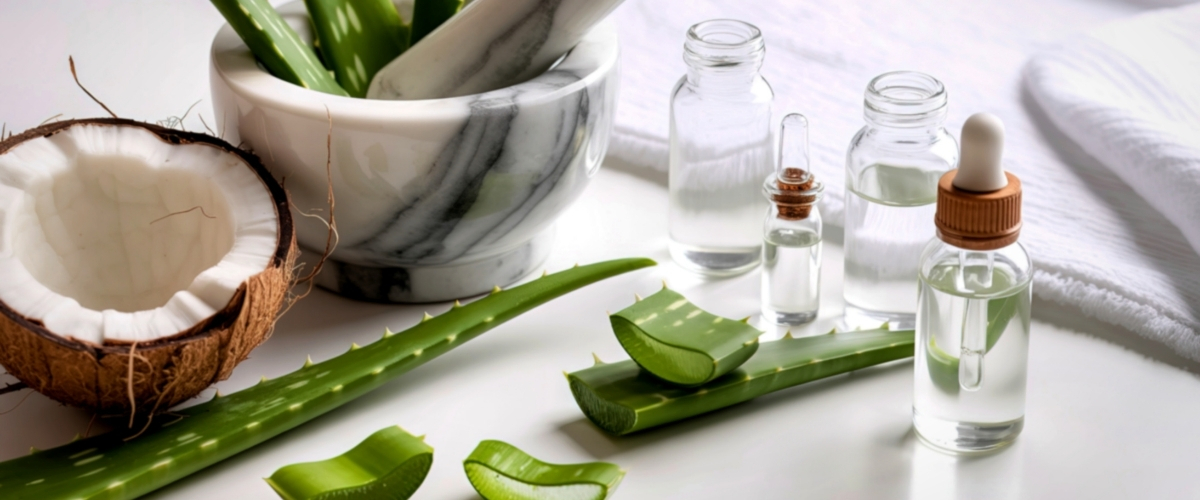
Dry hair is thirsty. To fix it, you need the best vegan conditioner for dry hair that focuses on moisture retention. Look for organic shampoo & conditioner sets that feature aloe vera as a primary ingredient. Aloe is a natural hydrator that doesn’t leave a greasy film. Organic oils like argan, jojoba, and coconut are also vital. They seal the cuticle to prevent water loss. If you’re dealing with vegan conditioner for frizzy wavy hair, you need something with extra slip. Marshmallow root and slippery elm are fantastic plant-based detanglers. They help define curls without the crunch. Natural shampoo and conditioner pairings work best when they’re designed to complement each other. Avoid products with no parabens but high alcohol content. Alcohol dries you out. Plants keep you hydrated.
Key advantages of a silicone-free vegan conditioner
Silicones are a temporary fix. They wrap the hair in a plastic-like coating to create fake shine. Over time, this coating builds up and blocks moisture from entering the hair. This is why a silicone-free vegan conditioner is so important for long-term health. When you stop using silicones, your hair can finally breathe. It can absorb the plant-based hair moisturizer you’re applying. You might notice a transition period where your hair feels different. Don’t panic. This is just the old buildup washing away. Once it’s gone, your vegan hair conditioner will work much more effectively. Your hair will be naturally shiny, not chemically coated. It’s a win for anyone with fine or thinning hair. It stays cleaner longer.
What makes an organic vegan hair conditioner effective?
Quality matters more than quantity. An organic vegan hair conditioner is effective because it uses concentrated, high-quality extracts. These formulas avoid cheap fillers that do nothing for your strands. A vegan biotin conditioner is a great example of this. It uses plant-derived B7 to support hair strength and improves elasticity. This prevents breakage and split ends. You should also insist on a sulfate-free vegan conditioner. Sulfates are harsh detergents that strip away natural oils and ruin hair color. Sulfate-free shampoo and conditioner are essential for maintaining healthy hair and vibrant tones. Look for hypoallergenic hair products if you have a shampoo for sensitive scalp need. These are often fragrance-free and clinically tested for safety. They provide long-term results without irritation. It’s the ultimate clean beauty win.
Ready to switch to a vegan hair care routine?
Your bathroom cabinet needs an audit. Start by checking your current bottles for those hidden animal ingredients we discussed. If you see keratin or silk, it’s time for an upgrade. Switching to vegan hair care isn’t just a moral choice. It’s a commitment to the health of your scalp and the environment. You don’t have to sacrifice performance for ethics. Modern vegan hair conditioner formulas are often more advanced than their traditional counterparts. They offer deeply conditions benefits using fermented botanicals and organic oils. One standout option is the Vitality Conditioner from Fermaglo. It’s a sulfate-free and silicone-free powerhouse that nourishes the scalp perfectly. It’s vegan, cruelty-free, and designed for long-term results. Stop settling for animal-derived fillers. Give your hair the plant-based nutrition it deserves today.